Door and Window Measurements: What Homeowners Must Know
Getting the right door and window measurements matters for any home project. When you plan door window replacements or garage door window replacement, knowing standard sizes helps you get the right fit, save energy, and keep costs down. US House Windows in Lawton, OK, uses exact measurements to give homeowners windows and doors that work well and last long.
Key Takeaways
- Most home doors are 24 to 36 inches wide, with 32 to 36 inches being the most common sizes
- Windows use a four-digit code where the first two numbers show width and the last two show height
- Always take three measurements for width and height, then use the smallest number
- Standard-sized windows and doors cost much less than custom ones and are easier to install
- Bedrooms need windows at least 20 inches wide by 24 inches high for emergency exits
- Wrong measurements can cause expensive problems and wasted energy
Understanding Standard Door Dimensions
Most doors in U.S. homes are 80 inches tall (6 feet 8 inches). This height became standard over many years to fit most people and work with common ceiling heights.
Interior doors come in different widths:
- Bedrooms and bathrooms: 30 inches wide
- Hallways and main areas: 32 inches wide
- Closets and small rooms: 28 inches wide
Exterior doors are usually 36 inches wide. This wider size makes it easier to move furniture in and out. Some homeowners pick even wider exterior doors (42 to 48 inches) for better looks and easier access.
Door thickness changes based on where you use them:
- Inside doors: 1⅜ inches thick
- Outside doors: 1¾ inches thick for better security and weather protection
- Business doors: Often thicker to meet building codes
For homes with wheelchair users, doors should be at least 32 inches wide. However, 36-inch doors work better and help future-proof your home.
Standard Window Size Guidelines
Window companies use a simple way to show sizes. They write "width x height" like "36 x 48" which means 36 inches wide and 48 inches tall. Some use a four-digit system where "2438" means 2 feet 4 inches wide and 3 feet 8 inches tall.
Common window sizes for different rooms:
| Window Type | Size Range (inches) | Where They Work Best |
|---|---|---|
| Double-hung | 24×36 to 48×72 | Living rooms, bedrooms |
| Casement | 20×36 to 48×72 | Kitchens, bathrooms |
| Sliding | 36×24 to 84×48 | Patios, large openings |
| Picture | 48×48 to 96×48 | Show off views |
Most windows are 24 to 72 inches wide and 24 to 60 inches tall. The size depends on the room and what you need the window to do.
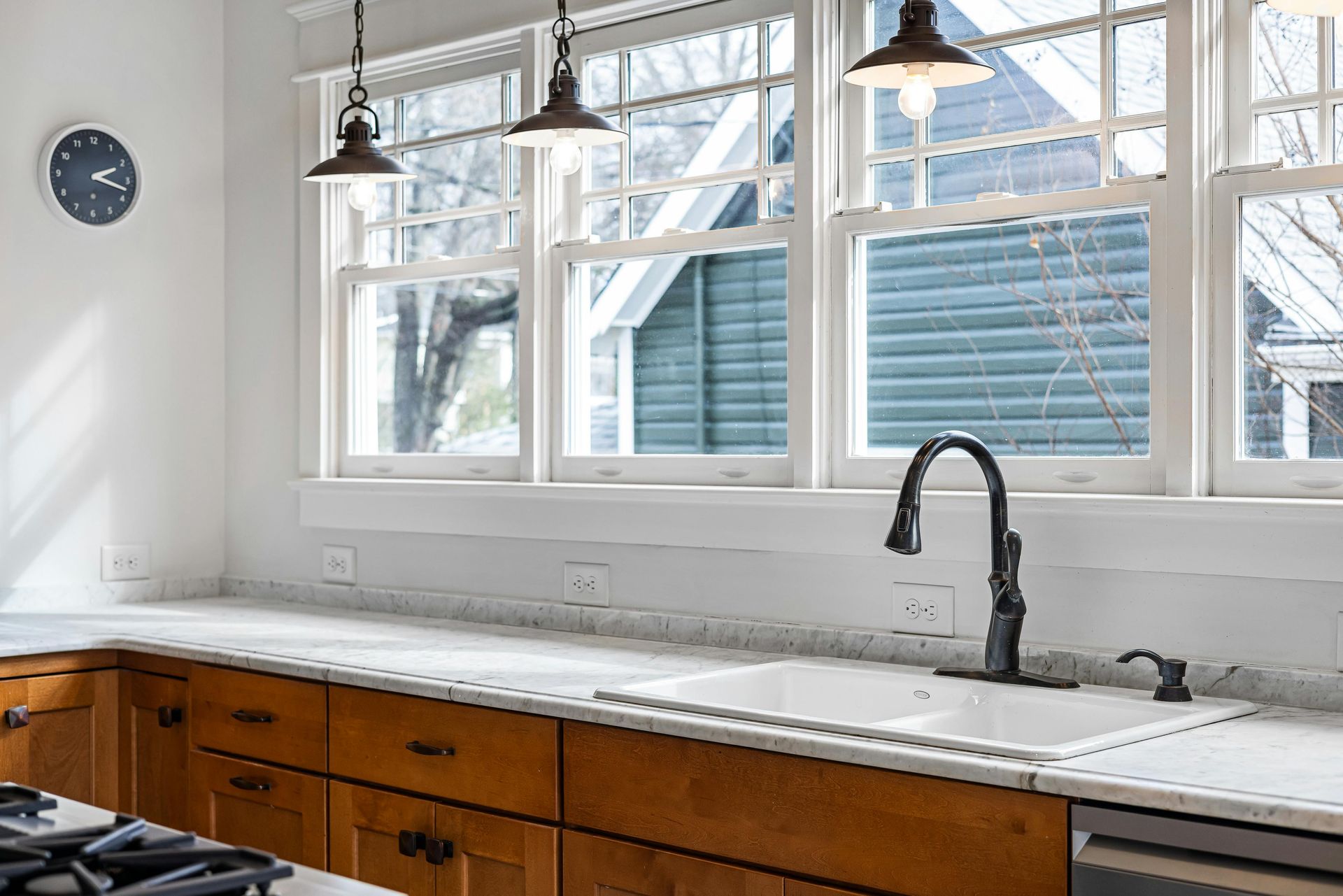
Kitchen windows above sinks are usually smaller so you can reach them easily. Living room windows are often larger to let in more light. Bathroom windows stay small (like 24×24 inches) to keep your privacy while still letting air flow through.
Proper Measuring Techniques
You need the right tools to get good measurements. Use a steel tape measure, a level, and paper to write down your numbers.
What you'll need:
- Good steel tape measure (don't use a cheap one that might stretch)
- Small level to check if things are straight
- Paper and pen to write down measurements
How to measure windows:
- Measure the width at the top, middle, and bottom of the frame
- Measure the height on the left, middle, and right sides
- Write down the smallest width and height numbers
- Check that the opening is square by measuring corner to corner both ways
The window sill needs to be level, especially for sliding windows. If the sill slopes, water can get in, and the window won't work right. Use your level to check this before you order new windows.
How to measure doors:
- Measure the opening width at the top, middle, and bottom
- Measure the height on both sides of the opening
- Use your level to see if everything is straight
- Write down any problems with the existing frame
Look for signs of damage like rotted wood, cracks, or areas where the frame has moved. These problems need fixing before you can install new doors or windows.
Always use the smallest measurement you get. This makes sure your new window or door will fit even if the opening isn't perfectly square. Most older homes have small differences in their openings.
Common measuring mistakes to avoid:
- Not measuring in three spots (openings are rarely perfectly straight)
- Using a ruler instead of a tape measure for large openings
- Forgetting to check if the opening is level
- Not writing down measurements right away
Professional installers leave space around windows and doors for insulation and weatherproofing materials. This space is usually about ½ inch on each side. Your contractor will handle this, but it's good to know why the actual window is smaller than your opening.
Benefits of Standard Sizing
Standard windows and doors cost less money because companies make lots of them. When you buy standard sizes, you save money and get your project done faster.
Why standard sizes save you money:
- Companies make them in large amounts, so they cost less
- Workers can install them faster
- Easy to replace in the future
- You can find them at most stores quickly
The cost difference can be significant. Standard windows might cost $300 to $800 each, while custom windows can cost $800 to $2,500 or more. For a whole house with 15 windows, this difference adds up to thousands of dollars.
Standard sizes also look good with most homes. They work well with normal ceiling heights and fit with other parts of your house. When everything fits together properly, your home looks better.
You'll also save money on heating and cooling. Well-fitted windows and doors stop air leaks, which means your house stays comfortable without working your heater or air conditioner as hard.
Energy savings you can expect:
- Old single-pane windows waste a lot of energy
- New double-pane windows can cut energy bills by 10% to 25%
- Better windows keep rooms more comfortable year-round
- Less outside noise gets through good windows
Return on your investment: Most homeowners get back 70% to 85% of what they spend on new windows when they sell their home. This happens because of energy savings and higher home value.
Standard windows also work better with common window treatments. Blinds, curtains, and shades are made to fit standard window sizes. This means you have more choices and pay less for window coverings.
Installation goes faster with standard sizes because workers know exactly what to expect. They've done these sizes many times before. Faster installation means lower labor costs for you.
Room-Specific Window and Door Considerations
Different rooms in your home need different window and door sizes. Think about how you use each room when you pick sizes.
- Living rooms and family rooms need larger windows to let in lots of light. These rooms are where families spend most of their time, so good natural light makes them more comfortable. Common living room window sizes are 36×60 inches or 48×60 inches.
- Bedrooms have special rules because of safety codes. Every bedroom needs a window big enough for someone to get out in an emergency. The window must open to at least 20 inches wide and 24 inches tall. The bottom of the window can't be more than 44 inches from the floor.
- Bathrooms use smaller windows for privacy. Most bathroom windows are 24×24 inches or 24×36 inches. You can put them higher on the wall so people can't see in from outside. Some bathrooms use frosted glass for even more privacy.
- Kitchens often have windows above the sink. These are usually smaller (like 30×36 inches) so you can easily open them while doing dishes. Some kitchens have larger windows if there's space and a good view.
- Basements need special attention for windows. Any basement bedroom needs an egress window for emergency exit. These windows need to be big enough and low enough for someone to climb out safely. You also need a window well outside that's big enough to stand in.
Door sizes by room:
- Front doors: 36 inches wide is standard
- Interior doors: 30 inches wide works for most rooms
- Bathroom doors: 28 or 30 inches wide
- Closet doors: Can be 24 or 28 inches wide
- Pantry doors: Usually 28 or 30 inches wide
When you plan your project, think about how you move through your house. Wider doors make it easier to carry laundry, move furniture, or use wheelchairs and walkers.
When Custom Measurements Are Necessary
Older homes often need custom windows and doors. Many houses built before the 1980s have different-sized openings than those made today.
You might need custom sizes if you have:
- A home built before modern standards
- Unusual architectural styles
- Openings that were changed during renovations
- Very large picture windows or special shapes
Custom windows cost more money and take longer to get. But sometimes they're the only way to make things fit right. If standard sizes won't work, custom ones make sure you don't have gaps or problems.
Some homeowners choose custom sizes for design reasons. They might want floor-to-ceiling windows or unusual shapes. These cost more but give you exactly what you want for your home's look.
A good contractor can tell you if you need custom sizes or if you can change your opening to fit standard ones. This choice affects both your budget and how long your project takes.
Sometimes you can modify your opening to fit standard windows instead of buying custom ones. This might mean making the opening smaller or adding framing. A contractor can tell you if this makes sense for your situation.
Frequently Asked Questions
What are the most common standard door sizes for homes?
Most home doors are 80 inches tall and 28 to 36 inches wide. Interior doors are usually 30-32 inches wide, while exterior doors are typically 36 inches wide.
How do I measure windows for replacement accurately?
Measure the width and height at three different spots inside the frame. Always use the smallest measurement to make sure your new window fits properly.
Do building codes affect door and window sizing requirements?
Yes, bedroom windows must be at least 20 inches wide by 24 inches high for emergency exits. Some areas have other rules about door widths for wheelchair access.
When should I choose custom windows instead of standard sizes?
Get custom windows if you have an older home with unusual openings or if standard sizes won't fit. Custom costs more but might be your only choice.
What's the difference between rough opening and actual window size?
The rough opening is the hole in your wall where the window goes. The actual window is smaller to leave room for installation materials and adjustments.
Final Thoughts
Knowing standard measurements of doors and windows helps you make better choices for your home. Whether you're planning door window replacements or garage door window replacement, the right measurements mean everything fits properly, saves energy, and lasts longer. Companies like US House Windows know how to measure correctly and use quality products that work well for Oklahoma homeowners. When you understand these basics, you can talk with contractors more easily and get better results for your home project.
Ready to replace your windows or doors? Get expert measurement and installation from US House Windows. Call (405) 776-5432 for your free estimate in Lawton, OK, and surrounding areas.
Reference:
https://www.investopedia.com/terms/r/returnoninvestment.asp